Soft Power Ranking 2026: USA ahead of China and Japan - A strategic briefing
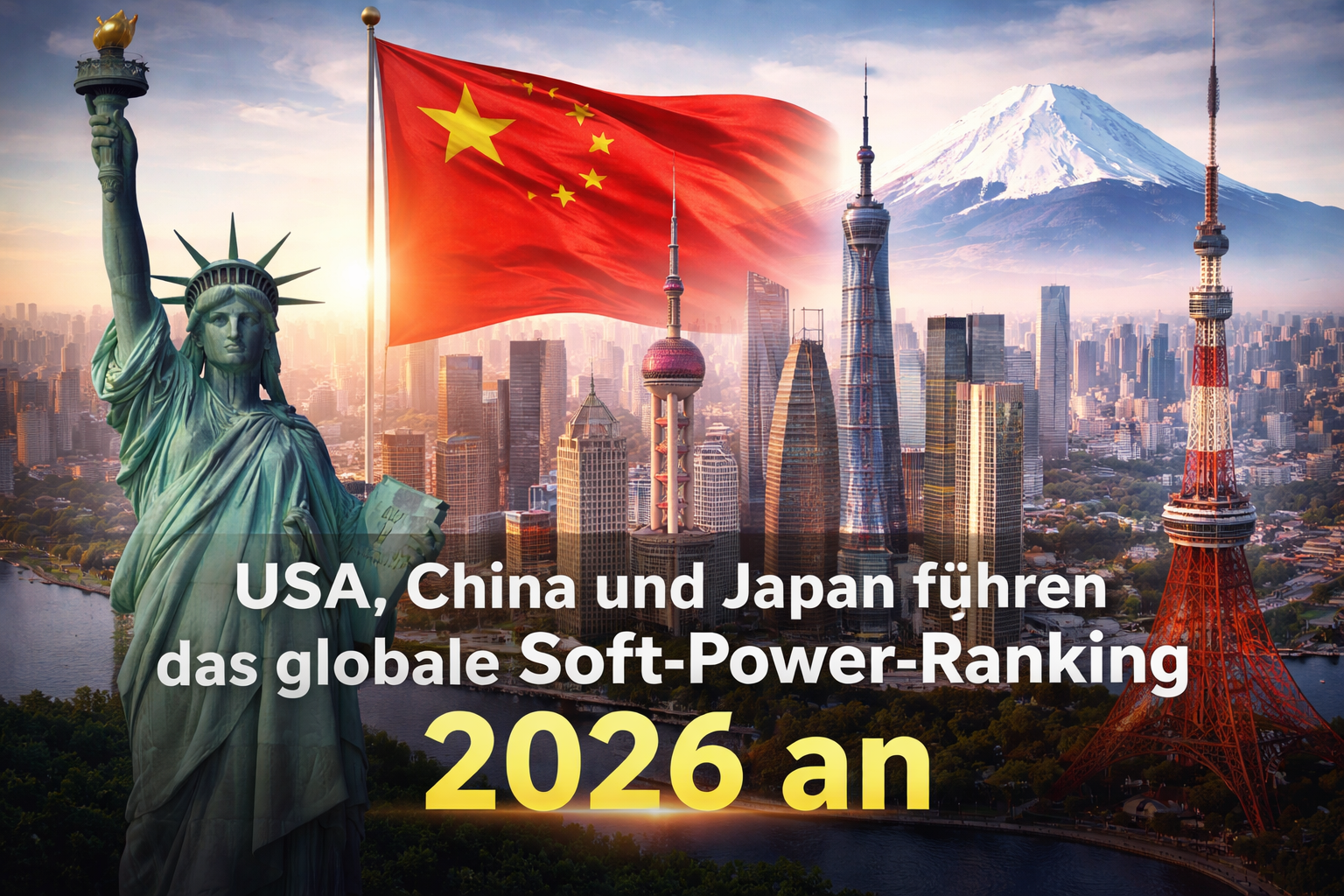
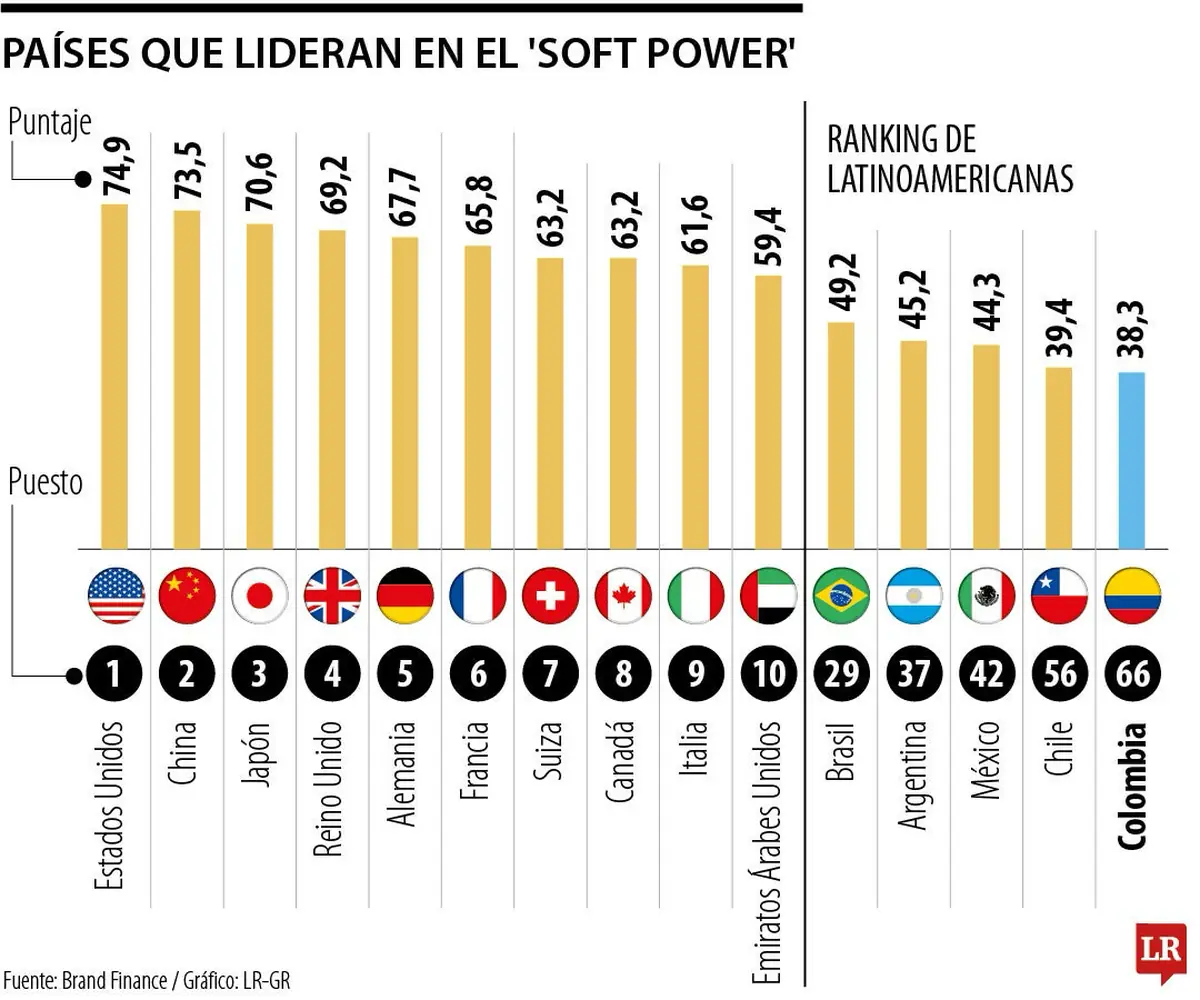
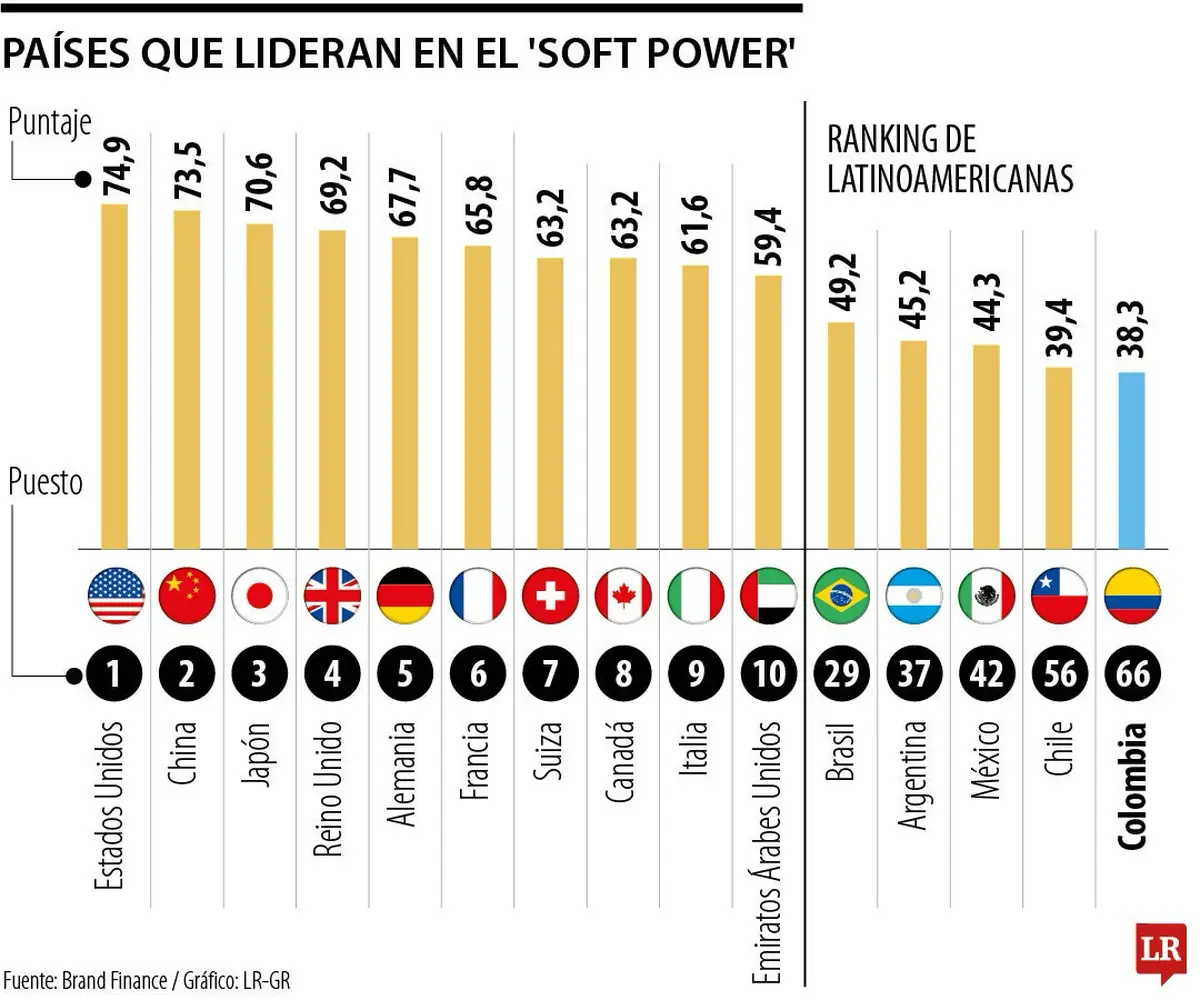
The USA defends its top position in the Global Soft Power Index 2026. China's rise and Switzerland's role as a tech hub define the new global zones of influence.
In a world marked by the fragmentation of global supply chains and the renaissance of industrial policy, the Global Soft Power Index 2026 redefines the parameters of national influence. While the United States maintains its leading position, China's massive rise and Japan's consolidation signal an end to Western dominance in the realm of "attraction without coercion." In 2026, soft power is no longer a mere cultural supplement, but an integral part of the national security architecture.
Why soft power will become more relevant to security policy in 2026
The classic distinction between hard power (military strength) and soft power (diplomatic appeal) is rapidly disappearing. In 2026, security will no longer be guaranteed solely by tanks and missiles, but by control over standards, protocols, and narratives. A state that is considered "trustworthy" in terms of technology (soft power) can enter into partnerships that enable the physical protection of its trade routes and data streams.
The increasing digitalization of state infrastructure means that a nation's reputation – its "digital sovereignty" – is a core component of its defense strategy. Those who are perceived globally as innovation leaders in AI ethics not only attract talent, but also define the rules for the use of autonomous systems, which offers a direct strategic advantage on the battlefield and in the economy.
USA: Technological resilience as a power factor
The US largely defends its top position through its lead in closed and open AI ecosystems. Silicon Valley's ability to dominate hardware and software infrastructures worldwide acts as diplomatic leverage. When Washington offers "technology partnerships," in 2026 this is the equivalent of the security guarantees of the 20th century. The attractiveness of the US market remains unbroken, but the erosion of social consensus poses a long-term threat to the moral authority of the superpower.
China's "smart power": A new model of influence
Beijing has ended the era of aggressive "Wolf Warrior" diplomacy in favor of a more subtle "smart power" strategy. By positioning itself as a global enabler for green tech (solar, e-mobility) and setting standards in 6G infrastructure, China has gained massive ground in the Global South. For many nations, China's path of "stability through technology" has become more attractive than Western models of democracy, which are often perceived as unstable.
Implications for Europe
Europe finds itself in a defensive position. While the continent remains unbeatable in categories such as "culture & heritage" and "quality of life," it is falling behind in the crucial future categories of "innovation" and "science." The 2026 Index clearly shows that museums and tourism are not enough to maintain geopolitical weight in a multipolar world. Without a coherent strategy for digital autonomy, Europe risks becoming an "open-air museum" between the technological powerhouses of the US and Asia.
What the ranking means for Switzerland
For Switzerland, 2026 is a year of confirmation, but also of strategic challenge. As one of the few nations in the top 10 that does not belong to a major power or a large bloc, our soft power is based on three pillars:
- Innovation & education hub: ETH Zurich and EPFL in Lausanne act as magnets for international cutting-edge research. The Swiss ecosystem in the field of defense tech has established itself as a global leader in dual-use applications (civilian and military).
- Active neutrality & diplomacy: In a fragmented world, Switzerland is increasingly sought after as a neutral data haven and arbitrator in technological conflicts (e.g., AI regulation). This strengthens confidence in the country as a location.
- Technological sovereignty: Investments in its own computing infrastructure (the Alps project) and the securing of critical technology paths prevent Switzerland from becoming vulnerable to blackmail. This is soft power in its purest form: power through independence.
Geopolitical outlook 2027–2028
Further "technologization" of foreign policy is to be expected over the next two years. Currency and trade conflicts will increasingly be fought using soft power levers – who controls the algorithms, who owns the most valuable data? The biggest leaps in the index will be made by nations that manage to bridge the gap between technological innovation and social stability. The US will have to fight to defend its cultural appeal against systemic competition from Asia.
Brief summary
The Soft Power Ranking 2026 is a wake-up call. In a world where information is the most important resource, image determines the success of national interests. The US remains dominant, China is becoming an equal competitor, and Switzerland is proving that technological excellence paired with neutrality is the best defense strategy for a small country.
data_usageHard Data & Figures
Hier sind 5 Schlüsseltatsachen, die aus dem Artikel "Soft Power Ranking 2026: USA vor China und Japan – Ein strategisches Briefing" extrahiert werden können:
**USA behalten Spitzenposition**: Die Vereinigten Staaten behaupten ihre Spitzenposition im Soft Power Index 2026.
**China steigt massiv auf**: Das chinesische Reich erlebt einen erheblichen Aufstieg in der Rangliste, was ein Ende der westlichen Dominanz im Bereich der "Anziehungskraft ohne Zwang" signalisiert.
**Japan konsolidiert seine Stellung**: Japan behauptet seine Position in der Rangliste und zeigt sich als stabil in seiner Ausübung von Soft Power.
**Soft Power wird sicherheitspolitisch relevanter**: Der Global Soft Power Index 2026 definiert die Parameter nationaler Einflussnahme neu und macht deutlich, dass Soft Power im Jahr 2026 ein integraler Bestandteil der nationalen Sicherheitsarchitektur ist.
Verpassen Sie keine Analyse.
Erhalten Sie wöchentlich das Wichtigste aus der Schweizer Tech-Szene und globale Insights.