
Linux 7.0 reaches RC1: What's really changing in the new kernel and how to test it
The development of the Linux kernel is officially entering a new phase. With the jump to version 7.0, Linus Torvalds is sending a symbolic signal as technical optimizations progress.
The development of the Linux kernel is officially entering a new phase. Following the release of branch 6.19 a few weeks ago, Linus Torvalds himself confirmed the version jump to Linux 7.0 – a decision that marks a symbolic milestone in the development of the kernel, even if it does not represent a radical architectural break.
With the release of Linux 7.0 Release Candidate 1 (RC1), the project is entering the stabilization phase. From this point on, the focus will primarily be on bug fixing, driver refinement, and security hardening, while the introduction of new features will be halted.
If the kernel's usual schedule is followed, the stable version could be released in about 7 to 8 weeks.
What does the jump to Linux 7.0 really mean?
The major version change does not imply an immediate technological revolution. Torvalds has pointed out on previous occasions that version jumps often follow criteria of maintenance and organization of the development cycle rather than disruptive changes.
Linux 7.0 is characterized by:
- A focus on stability and reliability.
- Cleaning up legacy code.
- Enhanced security.
- Optimization of internal performance.
- Expanded support for modern hardware.
It is essentially a mature evolution of the core, not a reinvention.
Key technical innovations in Linux 7.0
1. Extended hardware compatibility
New drivers for current hardware. Extended support for next-generation GPUs:
- AMD GFX 12.1
- Intel Nova Lake
- Intel Battlemage
This strengthens Linux's position in workstation environments and high-performance servers.
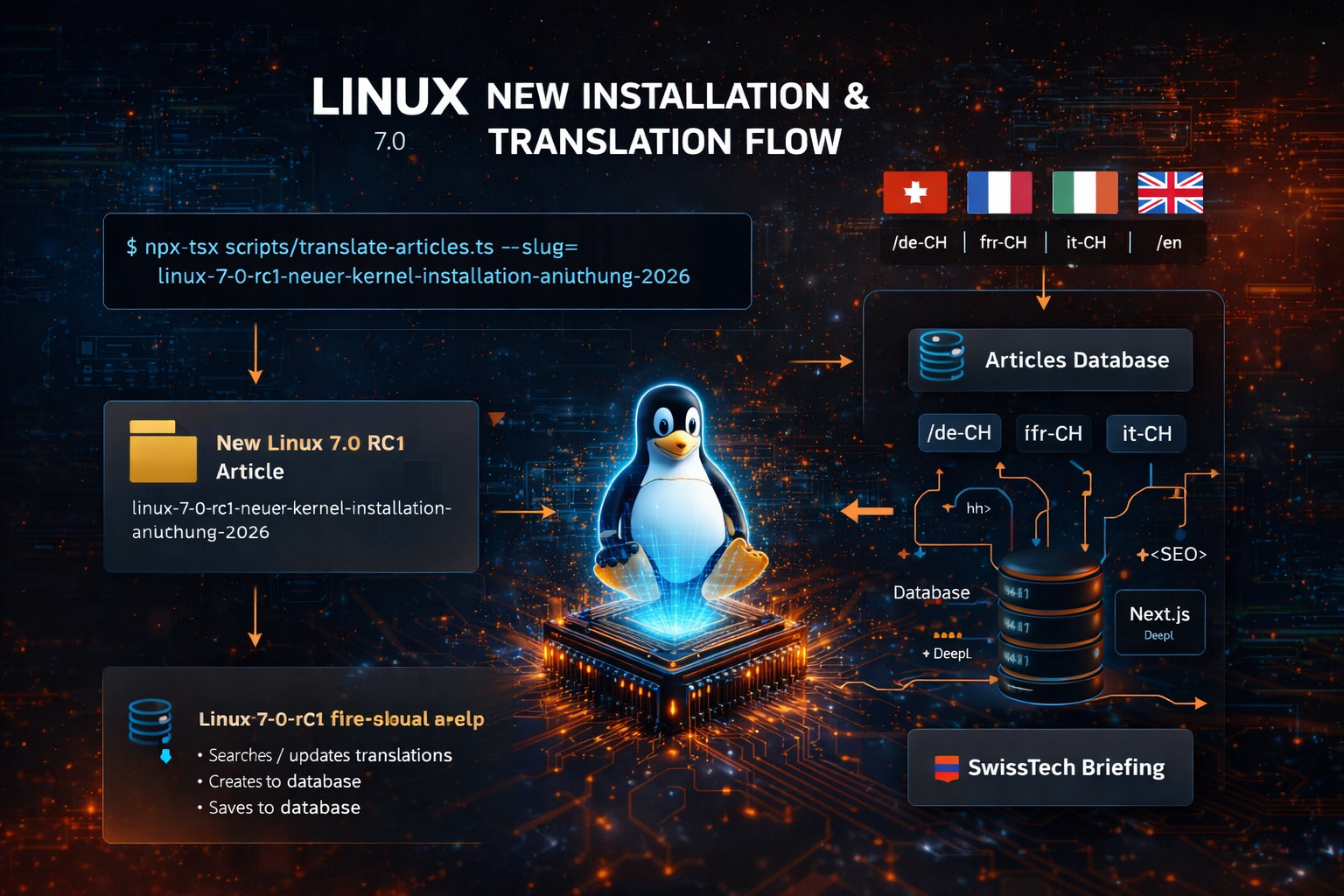
2. Reactivation of Intel TSX by default
Intel Transactional Synchronization Extensions (TSX) is reactivated in configurations where it was previously restricted due to security mitigations. This can lead to performance improvements in parallel workloads, depending on the use case.
3. Significant memory optimization
One of the most relevant changes is the improvement in memory release:
- Up to 75% faster on ARM64 architectures.
- Over 50% improvement on x86.
This type of optimization is particularly relevant in cloud environments, embedded systems, containers, and high-density infrastructures.
4. Security enhancements
Support for module signatures with SHA-1 (considered obsolete) has been removed. Legacy components have also been cleaned up and isolation in container environments has been improved. The gradual elimination of vulnerable algorithms is crucial in European regulations.
5. File system improvements
Internal updates particularly affect NTFS, SSD support, and I/O management. Although this is not a radical redesign, there are incremental improvements in reliability and performance.
6. OpenTree namespace
The "OpenTree namespace" functionality is being introduced, with implications for container security, process isolation, and performance in Docker and Kubernetes. This point is particularly relevant in modern infrastructures.
7. Progress in Rust integration
Linux 7.0 continues the integration of Rust as an alternative language to C for the development of certain kernel components. Although the scope is still limited, this represents a strategic step toward greater memory safety and a more robust code base in the long term.
Is it recommended to install Linux 7.0 RC1?
Not for production use. Release candidate versions are intended for developers, advanced testers, hardware manufacturers, and kernel contributors. They may contain critical bugs, instabilities, compatibility issues, and unidentified security risks.
For enterprise environments or primary systems, it is recommended to wait for the stable version or for the official distribution to integrate it.
How to test Linux 7.0 RC1
Method 1: Manual compilation
Download from the official kernel repositories at kernel.org. Manual compilation via:
make menuconfig
make -j$(nproc)
sudo make install
Requires technical expertise.
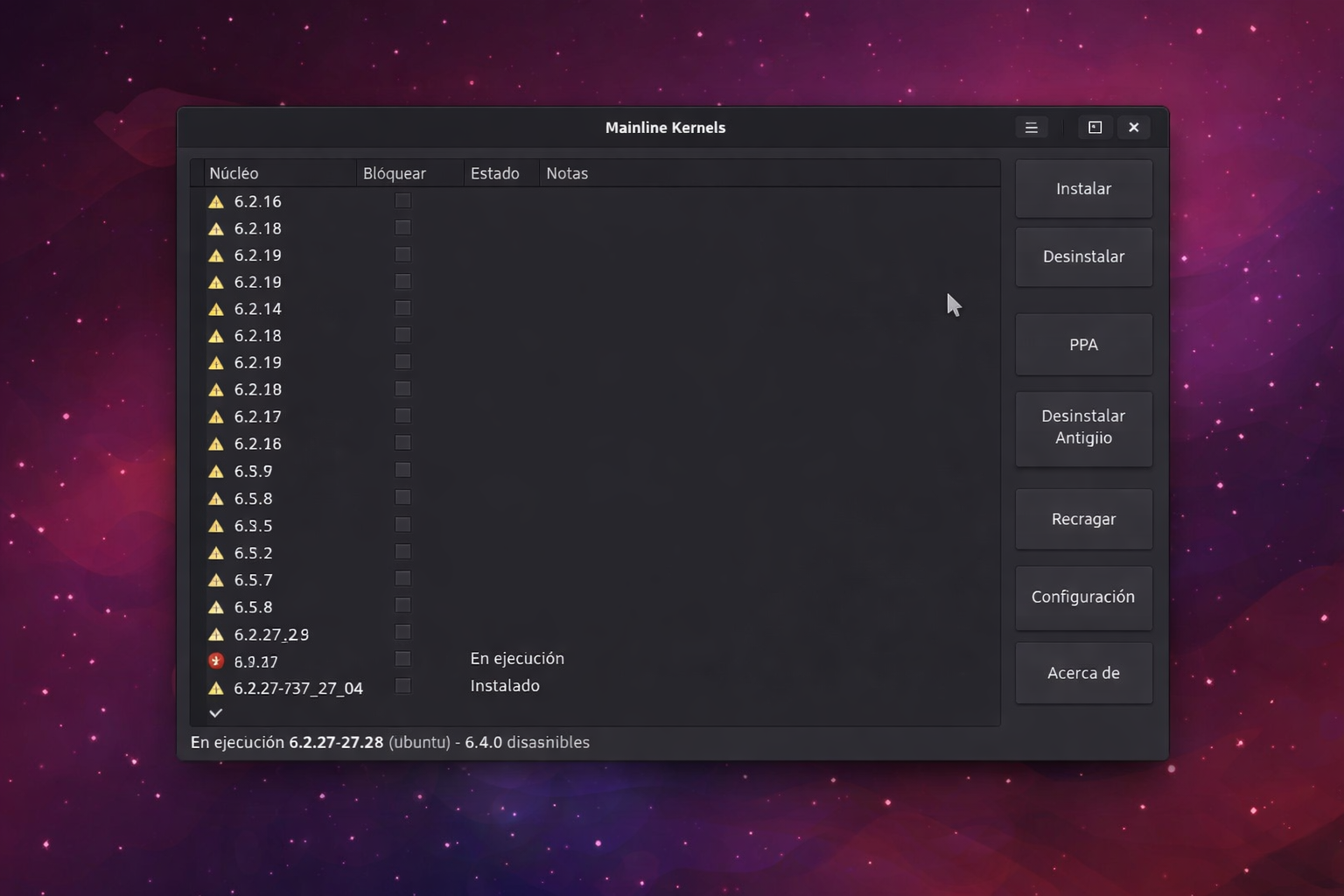
Method 2: Using Mainline (Ubuntu)
The Mainline tool allows you to install test kernels without manual compilation.
sudo add-apt-repository ppa:cappelikan/ppa
sudo apt update
sudo apt install mainline
RC1 can be easily selected and installed via the user interface. Recommended for virtual machines or test environments.
Strategic implications of Linux 7.0
Although Linux 7.0 is not a technical revolution, it consolidates important trends: a stronger focus on cryptographic security, optimization for modern architectures, improvements in cloud and container environments, and the gradual introduction of Rust. For Europe, and especially for regulated environments such as Switzerland, the move toward greater security and control of the stack is particularly relevant.
Expected schedule
- RC1 → Current week
- RC2–RC7 → coming weeks
- Stable version → in approx. 7–8 weeks
Frequently asked questions (FAQ)
What does RC1 mean? It is the first release candidate version. It indicates that the development of new features is complete and the stabilization phase is beginning.
Are there any radical changes compared to Linux 6.x? No. It is an incremental development focused on stability and maintenance.
When will it reach my distribution? That depends on the distro. Rolling releases integrate it earlier, LTS versions later.
Sources
- Linux Kernel Archives – kernel.org
- LKML (Linux Kernel Mailing List) – Official announcements from Linus Torvalds
- Official documentation on Intel TSX
- Official repositories of the Rust-for-Linux project
- Technical notes on AMD and Intel drivers on GitHub
data_usageHard Data & Figures
Hier sind 5 wichtige Fakten über Linux 7.0:
**Neuer Kernel-Version**: Der Linux-Kernel tritt in eine neue Phase ein, nachdem Linus Torvalds den Versionssprung auf Linux 7.0 bestätigt hat.
**Release Candidate 1 (RC1)**: Die Veröffentlichung des RC1 markiert das Eintreten der Stabilisierungsphase, in der die Fehlerbehebung und Sicherheitshärtung im Vordergrund stehen.
**Keine radikalen Änderungen**: Der Sprung auf Linux 7.0 bedeutet keinen radikalen architektonischen Bruch, sondern eher einen symbolischen Meilenstein in der Entwicklung des Kerns.
**Fokus auf Fehlerbehebung**: Ab dem RC1-Launch liegt der Fokus primär auf Fehlerbehebung, Treiber-Refinement und Sicherheitshärtung, während die Einführung neuer Funktionen gestoppt wird.
Verpassen Sie keine Analyse.
Erhalten Sie wöchentlich das Wichtigste aus der Schweizer Tech-Szene und globale Insights.